
These systems integrate budgeting, tax planning, and financial analysis within a centralized framework. Specialized software, like Microsoft Dynamics, allows accountants to perform detailed financial modeling or evaluate investment scenarios. Accounting involves the systematic process of measuring, summarizing, analyzing, and interpreting financial data. It provides a comprehensive view of a business’s financial performance and ensures well-informed choice-making for stakeholders. A bookkeeper does not require any formal training, however a bookkeeper’s job is important. The information a bookkeeper is responsible for gathering and managing affects how an accountant will interpret the financial information of the company.
What’s stopping accountants from making accurate forecasts?
Virtual bookkeepers are becoming an increasingly popular solution if you are trying to save. You became a therapist because you enjoy working with patients—not crunching numbers. Here are some basic best practices to streamline your bookkeeping so your private practice can thrive.
Growth and Scaling
Both of them are similar in a way that they both have to rely on the records as maintained by the bookkeeping. Both accountancy and auditing are analytical in nature and are performed to make the most of the financial records. Both bookkeeping and accounting are used interchangeably in the financial world, however, there is a notable difference between bookkeeping and accounting. Bookkeeping is a part of accounting whereas accounting itself is a wider concept. Hiring a bookkeeper, accountant, or both may be worth it to ensure your business’s financial success, depending on your business size, growth, and your comfort working with numbers. Accounting is not only the systematic recording of financial data but also the analysis, interpretation, and presentation of this data.
- The most sought-after credential is the CPA license, which is necessary for any accountant who files reports with the Securities and Exchange Commission (SEC).
- Knowing when and whom to hire can make a substantial difference in maintaining the financial health of your business.
- Accountants and bookkeepers collaborate in the financial planning and budgeting process.
- Both bookkeepers and accountants create income statements, or profit-loss statements, allowing for comprehensive financial assessments.
- Automation and AI have streamlined and automated repetitive tasks in bookkeeping and accounting, leading to increased efficiency and accuracy.
- Improved Accuracy – If your job, your only job, is bookkeeping or accounting, it stands to reason that you would be pretty good at it.
Should You Hire a Bookkeeper or an Accountant?
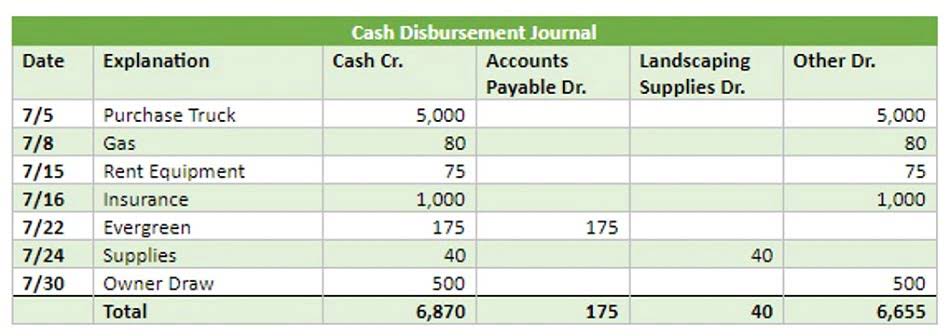
While bookkeeping and accounting may seem similar, there are some key differences. Bookkeeping is the process of recording financial transactions, and accounting is the analysis of those transactions. A bookkeeper is responsible for recording all day-to-day financial transactions for a business. They keep track of purchases, sales, receipts, and payments in ledgers or computerized systems.
Your information is stored securely in the cloud, meaning you can access it from anywhere. Additionally, the Countingup app allows you to receive updates about transactions, invoices paid and cash flow on the go. Understanding the golden rules of bookkeeping and accountancy is essential for entrepreneurs and high growth businesses. These rules form the foundation of maintaining an organized and accurate financial system, and they guide how financial transactions are recorded and categorized.

Depending on their experience, an accountant will have varying qualifications, licenses and certifications. When purchasing equipment, you debit the machinery account and credit the cash or bank account. A bookkeeper retained earnings balance sheet cannot call himself a CPA (Certified Public Accountant) unless he achieves the designation.

- They help navigate the audit process smoothly and address any issues that may arise.
- If your primary focus is on organizing your financial data and maintaining a clean record of your transactions, bookkeeping might suffice.
- It also provides concrete data on whether you’re making a profit, where you can save money, and whether you have enough cash flow to keep the business running smoothly.
- This could include duties like recording incoming revenue, tracking outgoing expenses, or managing accounts receivable and payable.
- An accountant works with the records maintained by bookkeepers to interpret, analyze, and report on the financial health of a business.
- The bookkeeping process involves summarising and organising all the company’s financial transactions chronologically in a systematic manner.
- Bookkeeping focuses on recording and organizing financial transactions, while accounting encompasses a broader scope involving analysis, interpretation, and reporting of financial information.
The distinctions between accounting and bookkeeping are subtle yet essential. The two careers are similar, and accountants and bookkeepers often work side by side. Bookkeepers are responsible for preparing income statements and bookkeeping and payroll services cash flow statements. Both bookkeepers and accountants create income statements, or profit-loss statements, allowing for comprehensive financial assessments.

Top Bookkeeping and Accounting Software
Asset accounts, including cash and equipment, are increased with a debit balance. For example, let’s say you need to buy a new projector for your conference room. Since money is leaving your business, you would what is the difference between bookkeeping and accounting? enter a credit into your cash account.
Signs You Need to Hire a Bookkeeper
’ Ultimately, both practices are essential for organizing and comprehending financial records. Our team of experienced professionals can provide the bookkeeping and accounting services you need to ensure your business thrives. In general, accounting requires more logic and problem-solving skills than bookkeeping. It relies on bookkeeping to organize and ensure the accuracy of your financial records but then goes a step further to draw conclusions about your business finances. They help business owners make decisions by interpreting data and providing guidance on financial strategy. Their expertise often requires specialized training or a college degree in accounting.
Post a Comment